Tallow vs. Shea Butter: An Honest Comparison
Tallow or shea butter? Both are rich fats, both stand for nourishing skincare with few ingredients – yet they differ in origin, composition and how they feel on the skin. In this comparison we look at both honestly, including the areas where shea butter comes out ahead.
In short
Tallow (beef fat) and shea butter are both rich, nourishing fats that help dry skin feel supple. Tallow is an animal fat high in oleic, palmitic and stearic acid, with a soft texture that melts quickly. Shea butter is plant-based and therefore vegan, widely available and affordable, but it can smell nutty and turn grainy. Which one suits you best comes down mainly to your values, the skin feel you prefer and your scent preferences.
What are tallow and shea butter?
Tallow is rendered beef fat, usually from the fat surrounding the kidneys. For skincare it is purified and filtered until an almost odourless, creamy-firm fat remains. Quality products use grass-fed beef tallow. Tallow is a by-product of meat production, so it makes use of a part of the animal that would otherwise often go to waste.
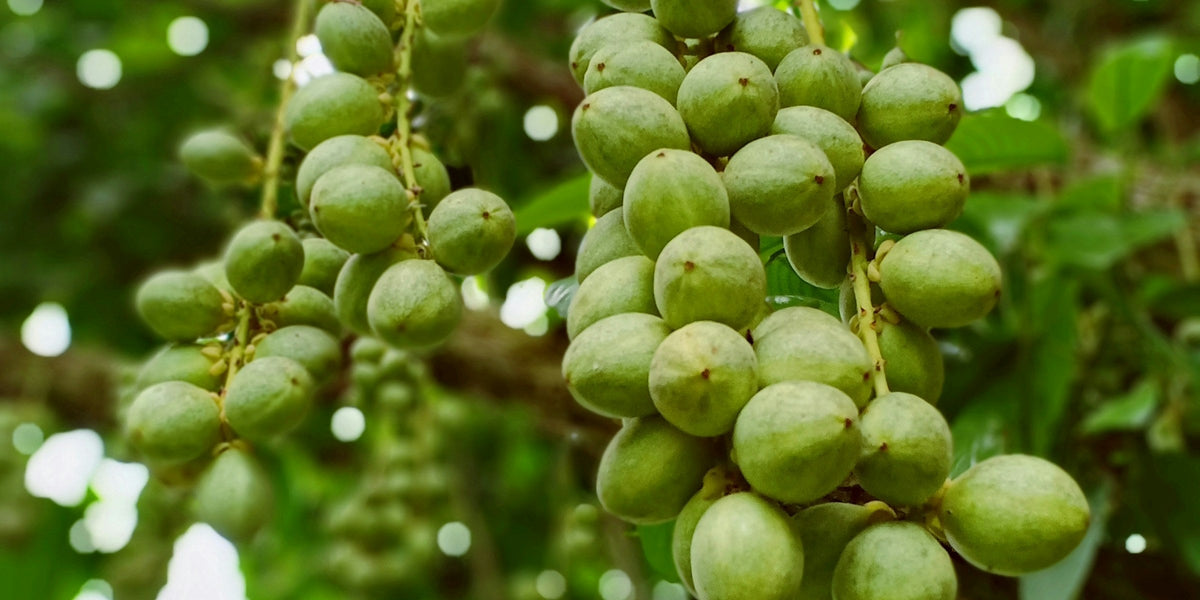
Shea butter comes from the nuts of the shea tree (Vitellaria paradoxa), which grows in the savannahs of West and Central Africa. The kernels are roasted, ground and boiled or pressed. Processing is traditionally often done by women and is an important source of income in many regions. Shea butter is available unrefined (yellowish, nutty scent) and refined (white, almost odourless).
How do their ingredients differ?
Both fats consist mainly of triglycerides – fatty acids bound to glycerol. The difference lies in the mix:
- Tallow: Mainly oleic, palmitic and stearic acid. It naturally contains small amounts of fat-soluble vitamins.
- Shea butter: Dominated by stearic and oleic acid, with little palmitic acid. It is known for a comparatively high share of so-called unsaponifiables, including triterpene alcohols, which are otherwise rarely found in such amounts in plant fats.
You will often read that tallow is "especially similar" to human skin. That is a simplification: the skin's surface has its own complex mix of lipids. What is true is that tallow's typical fatty acids also occur in skin. But above all, both fats are simply good, nourishing bases for skincare.
Texture, scent and skin feel in everyday use
In the jar both are firm to creamy, but on the skin they behave differently. Tallow softens quickly between your fingers and spreads thinly; many people describe it as velvety. Shea butter is often a little firmer and waxier and takes a moment longer to melt. It can leave a light film at first that settles after a few minutes.
When it comes to scent, refined shea butter wins on neutrality, while unrefined shea smells distinctly nutty and smoky – not everyone likes that. Well-purified tallow has very little smell of its own, and in finished balms the scent usually comes from essential oils. If you are wondering whether tallow smells of beef: as a rule, it doesn't.
Tallow vs. shea butter side by side
| Criterion | Tallow (beef fat) | Shea butter |
|---|---|---|
| Origin | Animal, by-product of cattle farming | Plant-based, nuts of the shea tree |
| Vegan | No | Yes |
| Main fatty acids | Oleic, palmitic, stearic | Stearic, oleic |
| Special feature | Naturally contains small amounts of fat-soluble vitamins | High share of unsaponifiables |
| Texture | Soft, melts quickly on skin | Firmer, melts a little more slowly |
| Scent | Barely noticeable when purified | Unrefined nutty, refined neutral |
| Availability & price | More of a niche product | Widely available, often affordable |
| Richness | Rich | Rich |
In terms of richness, the two are close. Very oily or blemish-prone skin may find either of them heavy. If that's you, start sparingly and watch how your skin responds.
Where shea butter clearly has the edge
A fair comparison means saying it: shea butter has real strengths.
- Vegan: If you don't want to use animal ingredients, shea butter is the obvious choice.
- Long track record: Shea butter has been used in cosmetics for a long time and appears in countless formulas.
- Availability: You can find it almost anywhere, both as a raw ingredient and in finished products, often at a low price.
- Versatility: It works for face, hands, lips and body and blends easily with other oils.
Where tallow shines
- Texture: Many people love how smoothly tallow melts and how evenly it spreads in a thin layer.
- Short ingredient list: Tallow is a complete nourishing base that needs only a few additions.
- Using the whole animal: If you don't reject animal products in principle, tallow can be seen as a sensible use of a by-product – provided the source is right.
- Hardly any scent of its own: Well purified, tallow is close to neutral without needing to be bleached or deodorised.
Our Primal Gems Tallow Night Balm combines grass-fed beef tallow with argan oil, vitamin E, lavender oil and retinyl palmitate – rich, water-free overnight care with no parabens, no silicones and no added fragrance.
Which fat is right for you?
- You are vegan or prefer no animal ingredients: shea butter.
- You like a soft, quick-melting texture and barely any scent of its own: tallow.
- You want an affordable all-rounder for your whole body: shea butter.
- You want minimalist facial care with a short ingredient list: both work – tallow is a popular base here.
In the end, how your skin feels matters too. If in doubt, try both and notice how your skin feels after a few days.
Note: Shea butter is made from nuts; if you have known allergies, check the ingredients and ask a doctor if in doubt. Finished balms often contain essential oils such as lavender or tea tree oil – do a patch test on the inside of your elbow before first use and wait 24 hours.
Primal Gems
Tallow Night Balm · Regenerate & Recover
Rich, water-free overnight care with grass-fed beef tallow, argan oil and retinyl palmitate. Melts on contact – your skin feels softer and smoother in the morning.
View productFrequently asked questions
Can you combine tallow and shea butter?
Yes. The two fats blend well and are often mixed in homemade balms. Shea butter makes a blend a little firmer, tallow makes it a little softer. When making your own, use clean tools and store the result somewhere cool.
Why does shea butter sometimes turn grainy?
When shea butter melts and then slowly solidifies again, individual fatty acids crystallise at different speeds. This creates small grains. They are harmless and melt instantly on the skin, but some people find the feel unusual.
Can tallow and shea butter go rancid?
Yes, like all natural fats, both can oxidise over time. A rancid smell is the clearest sign. Store both cool, dark and tightly closed, and only scoop them out with clean fingers or a spatula.
Does one of them go further than the other?
Both are water-free and therefore very economical. A pea-sized amount is enough for the face with either. How long a jar lasts depends more on how you use it than on the fat itself.