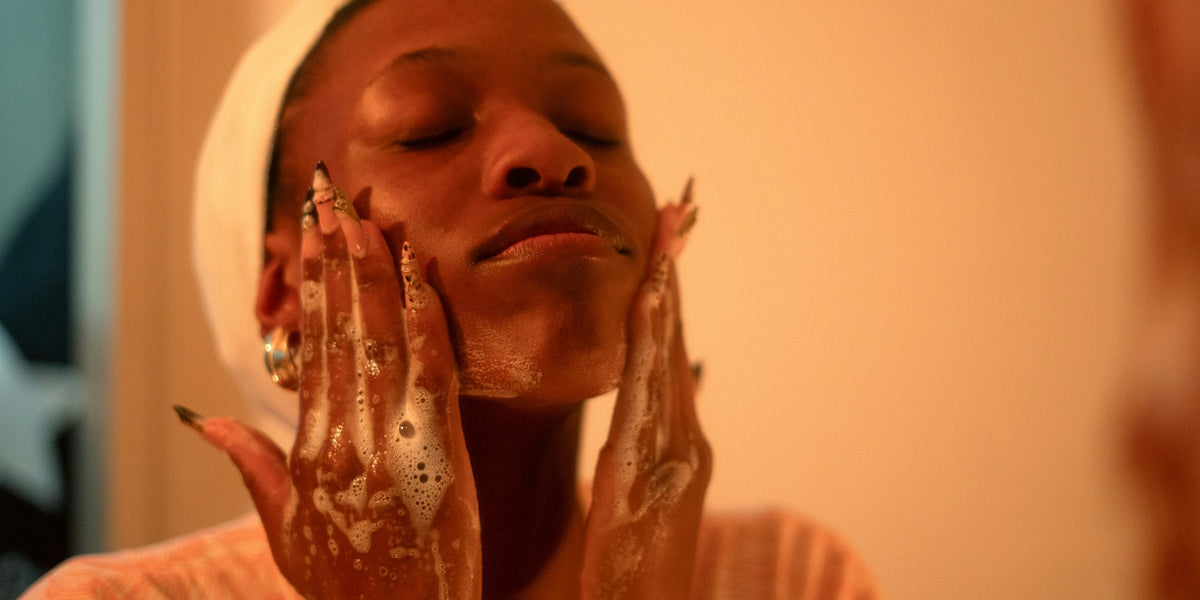
What Is Tallow Skincare? Beef Tallow for Skin Explained
Tallow is simply rendered beef fat – an ingredient that has been used in salves, soaps and skin care for generations and is now making a quiet comeback. In this guide to tallow skincare you will learn what tallow actually is, what it is made of, how it feels on the skin and who it suits. Honest, and without miracle promises.
In short
Tallow is melted and purified beef fat. It consists mainly of triglycerides with oleic, palmitic and stearic acid and forms a supple lipid film on the skin that helps keep moisture in. In skincare, tallow is usually used as a water-free balm – especially popular for dry, stressed and sensitive skin.
What exactly is tallow?
Tallow is the name for rendered beef fat. Traditionally it is made from suet, the firm fat around the kidneys. During rendering, the fat is heated slowly, melted and filtered. What remains is a clean, creamy-white fat that is solid at room temperature and softens between warm fingertips.
Long before tubes and pots filled drugstore shelves, tallow was one of the most important bases for soaps, salves and leather care. With the arrival of cheap plant and mineral oils it was largely forgotten. Today, more people are interested in skincare with short ingredient lists and traditional raw materials – and that has brought tallow back into the spotlight.
For quality skincare, grass-fed beef tallow is preferred. Where the tallow comes from and how carefully it is processed affects the colour, scent and texture of the finished product.
What is beef tallow made of?
Chemically, tallow is a fat like many others: it consists mainly of triglycerides, compounds of glycerol and fatty acids. Beef tallow typically contains a mix of saturated and monounsaturated fatty acids:
- Oleic acid: a monounsaturated fatty acid that is also abundant in olive oil. It adds suppleness.
- Palmitic acid: a saturated fatty acid that contributes to the firm, rich texture.
- Stearic acid: also saturated; it keeps tallow solid at room temperature and gives balms their structure.
These fatty acids also occur in the lipids on the skin's surface, which is one reason many people find tallow pleasant and "familiar" on their skin. Beef tallow also naturally contains small amounts of fat-soluble vitamins (A, D, E and K).
Why is tallow used in skincare?
Your skin protects itself from drying out with a thin barrier of skin cells and lipids. Cold, wind, dry heating air or frequent washing can put this barrier under strain – skin then feels tight and rough. This is where tallow comes in:
- Lipid film: tallow forms a fine film on the skin and helps keep existing moisture in the skin.
- Suppleness: skin feels softer and smoother after application.
- Richness: because tallow is used pure or almost pure, a very small amount goes a long way.
- Short ingredient lists: a tallow-based balm needs only a few ingredients, which makes it easy to see what you are putting on your skin.
Tallow products are almost always made as water-free skincare. Instead of an emulsion of water and oil, like a classic cream, they consist only of fats, oils and oil-soluble actives.
Tallow balm or classic cream – what is the difference?
A tallow balm feels different from most drugstore creams. The overview below compares the two product categories in general terms:
| Feature | Tallow balm | Many classic creams |
|---|---|---|
| Base | Fats and oils, no water | Usually mostly water |
| Texture | Firm in the jar, melts when warmed | Creamy to fluid |
| Amount per use | About pea-sized | Often considerably more |
| Ingredient list | Usually short | Often longer (emulsifiers, preservation) |
| Skin feel | Rich, protective | Often lighter, absorbs quickly |
Neither category is "better" across the board – it depends on your skin and what you like. You will find a detailed comparison in Tallow Balm vs. Classic Moisturizer.
Which skin types is tallow suitable for?
Dry and stressed skin
People who often feel tightness or struggle with rough cheeks in winter are among the most frequent tallow users. Read more in Tallow for Dry Skin.
Sensitive skin
Short ingredient lists without added fragrance often feel comfortable on sensitive skin. Still, essential oils can irritate some people. We explain what to look out for in Tallow for Sensitive Skin.
Combination and blemish-prone skin
Honesty matters here: tallow is rich. Some people with oily or blemish-prone skin find it too heavy. Start sparingly – ideally only in the evening or only on dry areas at first – and watch how your skin responds.
Mature skin
Skin often becomes drier over the years. That is why many people over 40 appreciate the rich texture of tallow for a well-cared-for skin feel.
What should you look for when buying?
- Source of the tallow: grass-fed beef tallow, carefully rendered and purified.
- Short, understandable ingredient list: tallow as the base, complemented by a few plant oils and vitamin E.
- Scent: check whether fragrance has been added. Well-processed tallow does not need perfume to mask its own odour.
- Manufacturing: cosmetics should be made by a certified manufacturer working to GMP (Good Manufacturing Practice).
- Packaging: a glass jar protects the fat well and is easy to recycle.
Our own Primal Gems balms, for example, are made in Germany by a GMP-certified cosmetics manufacturer. They are water-free, with no parabens, no silicones and no added fragrance – their light scent comes only from essential oils.
How do you use tallow correctly?
Take a pea-sized amount, warm it briefly between your fingertips until it softens, and massage it gently into cleansed skin on your face and neck. The balm spreads especially well on slightly damp skin. Less is more: if your skin still looks noticeably shiny after a few minutes, you used too much. For a step-by-step guide, see How to Use Tallow Balm.
Note: If a tallow product contains essential oils such as tea tree or lavender oil, do a patch test before first use: apply a little balm to the inside of your elbow and wait 24 hours. If you have a skin condition or ongoing skin concerns, please talk to a dermatologist.
Primal Gems
Tallow Ritual Set · Day & Night
Tallow Day Balm and Tallow Night Balm made with grass-fed beef tallow, water-free and rated "Excellent" by Dermatest® – cheaper as a set than bought separately.
View productFrequently asked questions
Is tallow vegan?
No. Tallow is an animal fat that comes from cattle. It is a by-product of meat production and is put to good use this way. If you live vegan, plant fats such as shea butter are an alternative.
Does tallow smell like beef?
Carefully rendered and purified beef tallow has very little odour. A well-made tallow balm does not smell of beef fat, at most subtly of the essential oils it contains.
How long does a jar of tallow balm last?
Because you only need a pea-sized amount, a 50 ml jar lasts about 6 to 8 weeks with daily use and a 100 ml jar about 3 to 4 months.
Can I combine tallow with my other skincare products?
Yes. Apply water-based products such as serums first and the tallow balm as the last step. During the day, a balm does not replace sun protection – apply that separately when needed.